 BioCartoon
Launch
BioCartoon
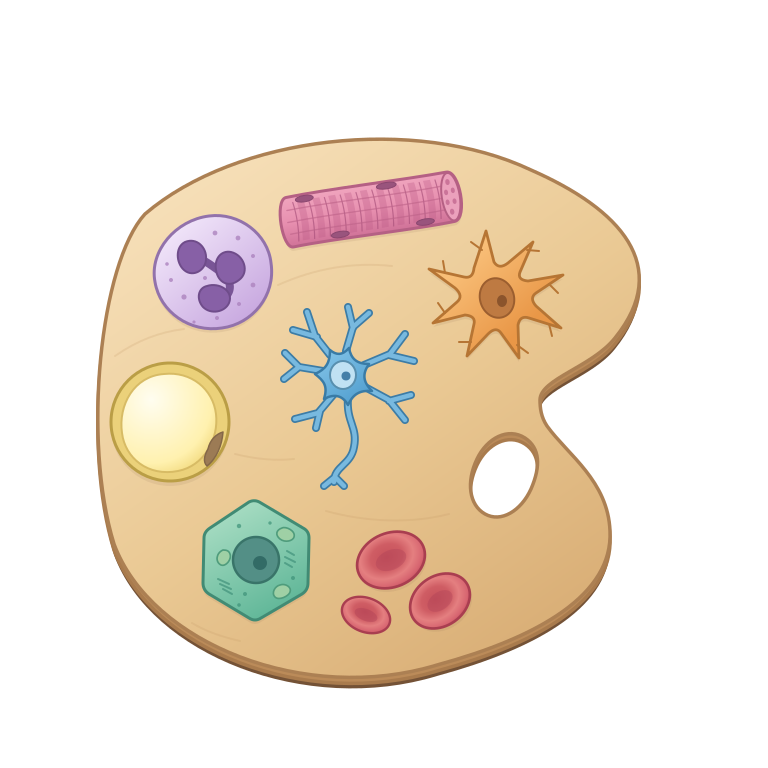
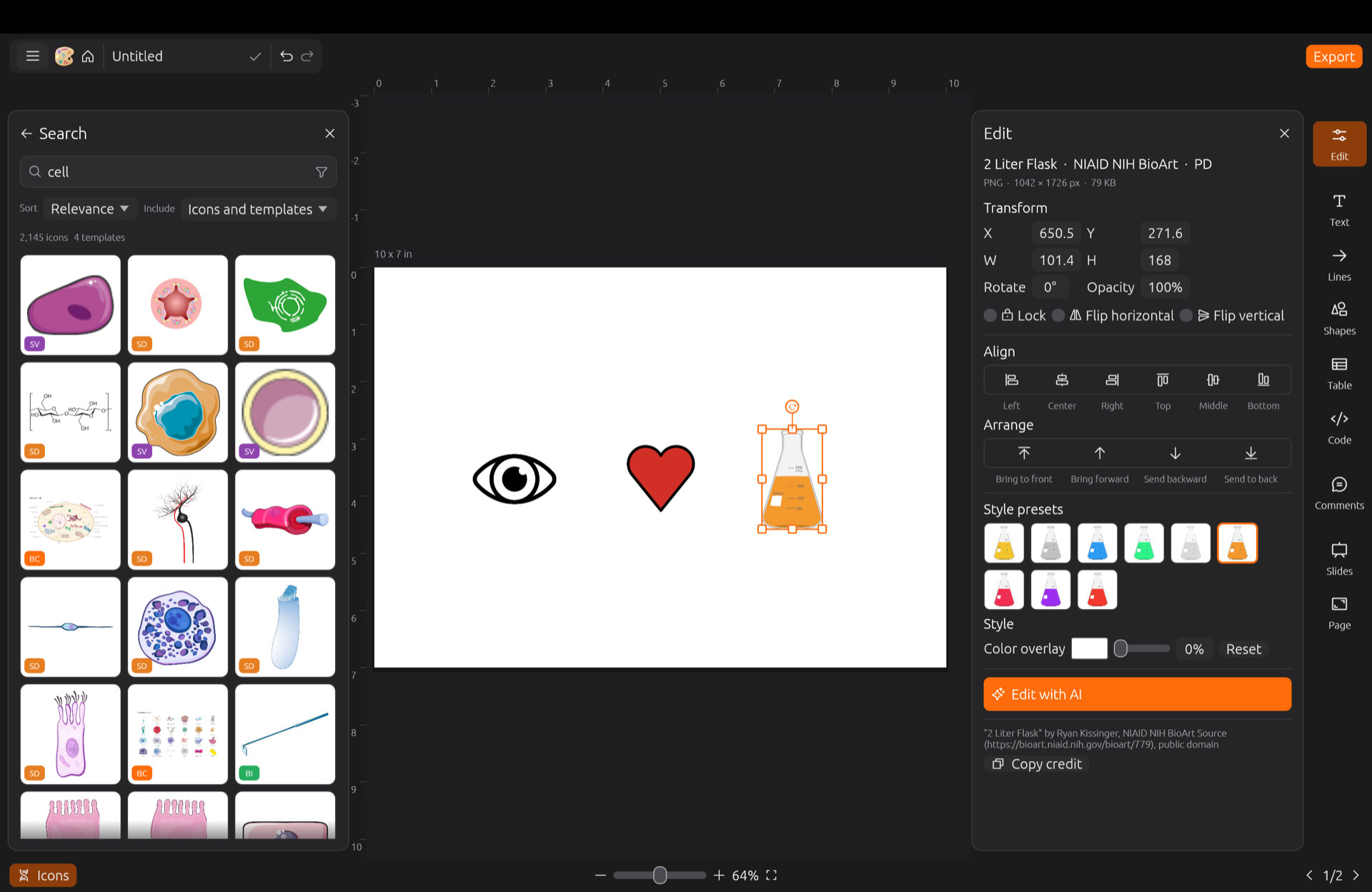
BioCartoon is a free and open-source tool for creating biology figures with illustrations. We compile existing open biology-focused illustration resources and introduce our own illustrations in a single database with a graphical interface for search and figure generation.
Resources
15,335 icons and 6 templates across 8 resources.
| Source | Icons | License | Example icons |
|---|---|---|---|
| BioCartoon | 1 | CC0 | |
| Bioicons | 2,793 | CC BY / CC0 / CC BY-SA / MIT / BSD |  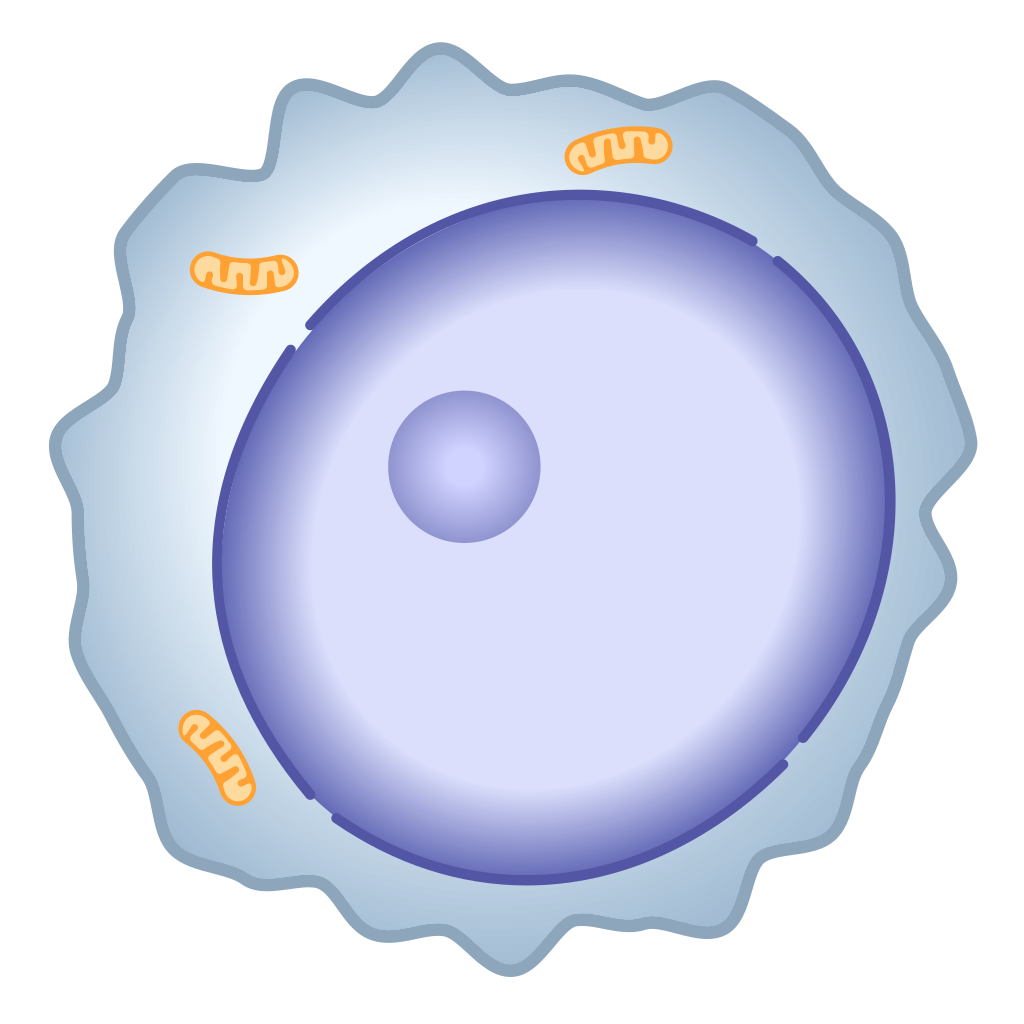 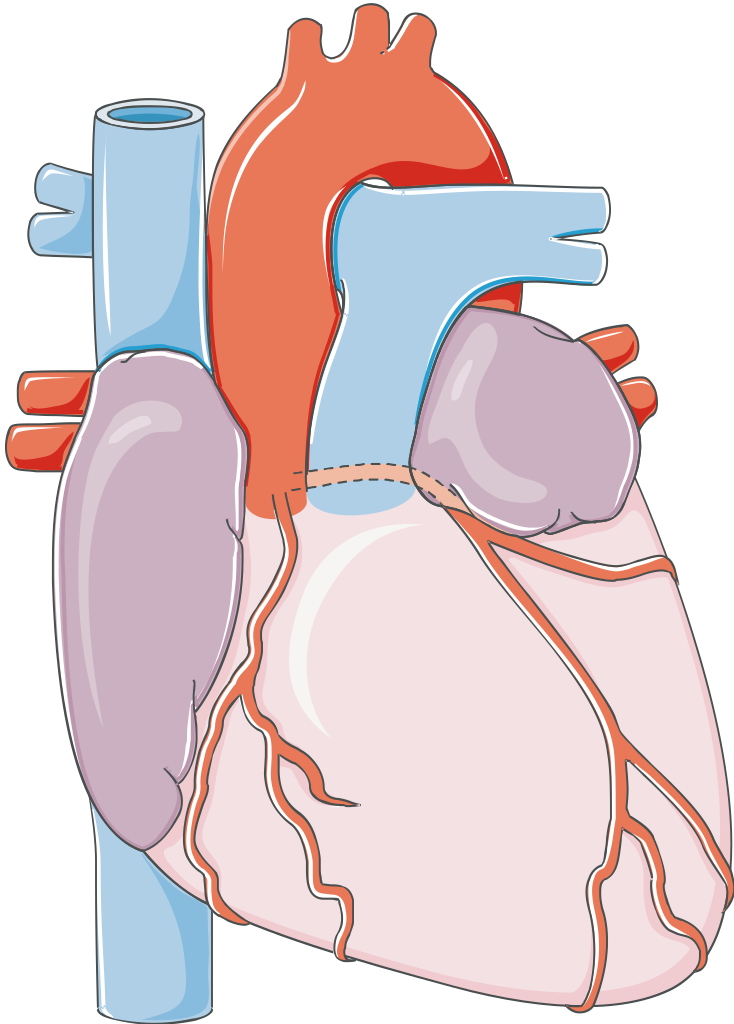 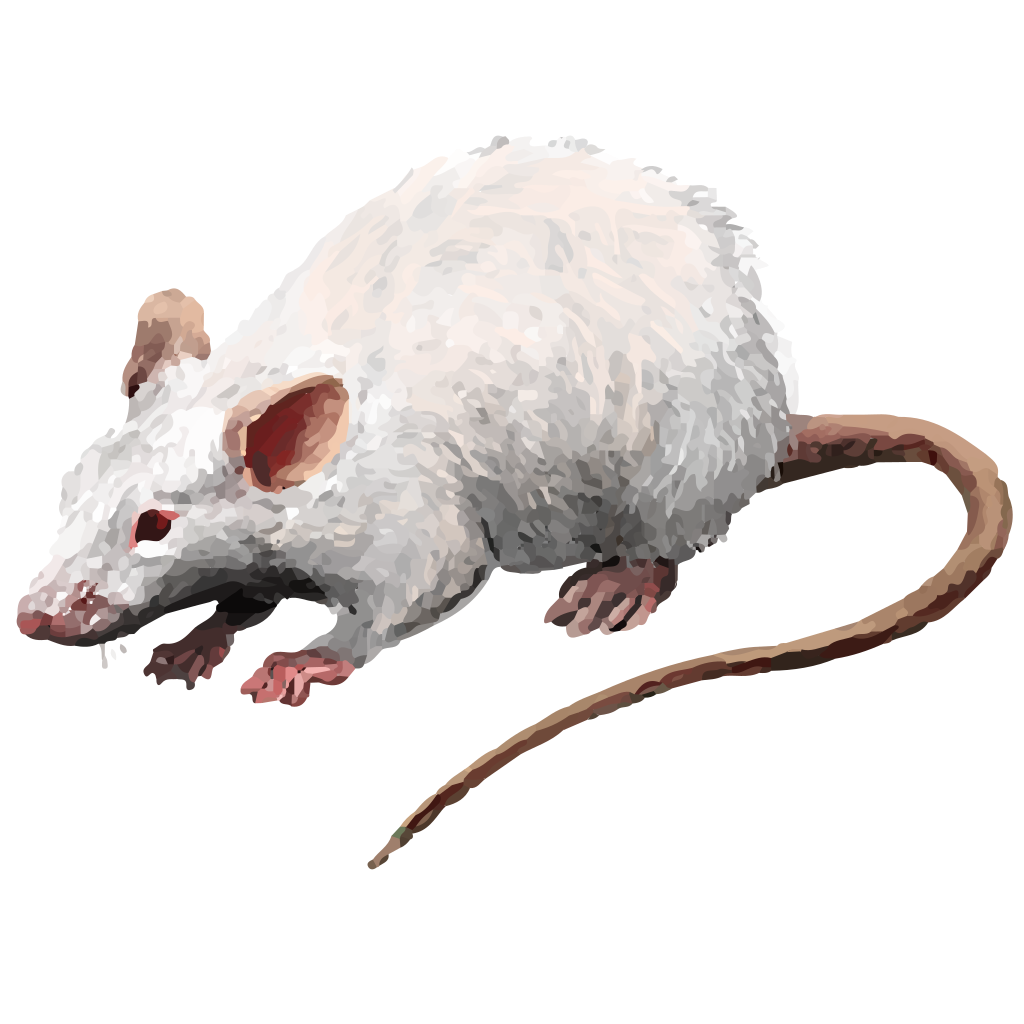 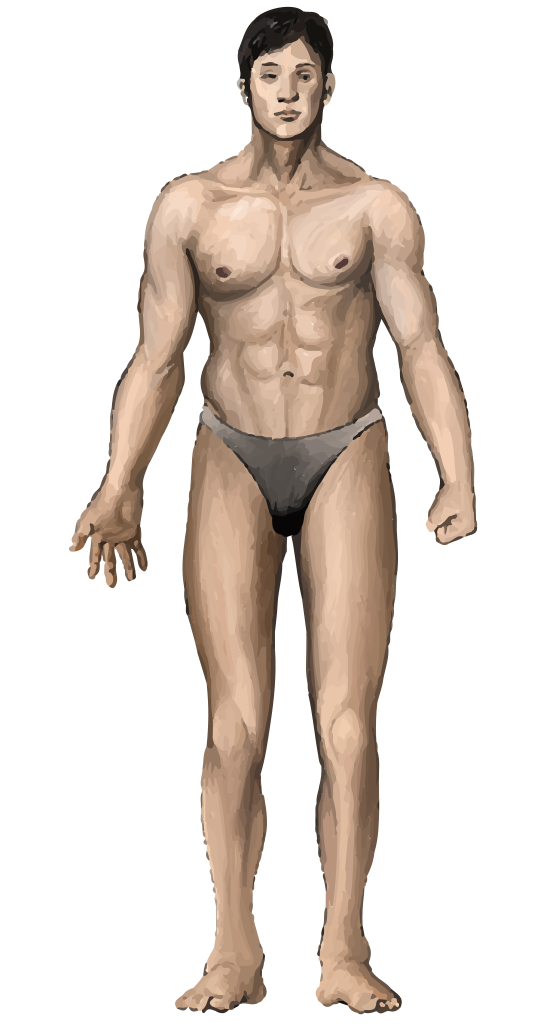 |
| Health Icons | 749 | CC0 |      |
| NIAID NIH BioArt Source | 936 | Public Domain |   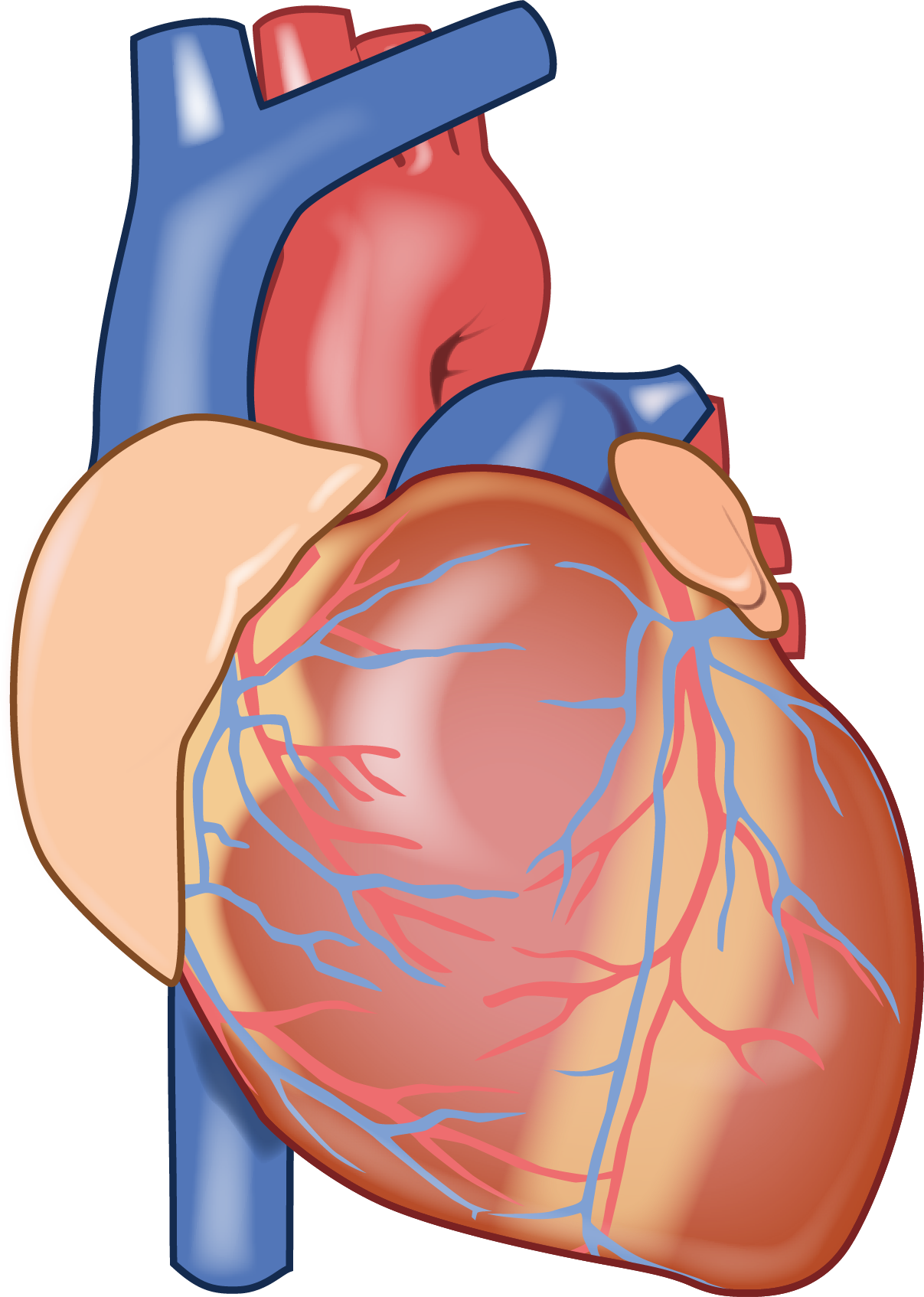 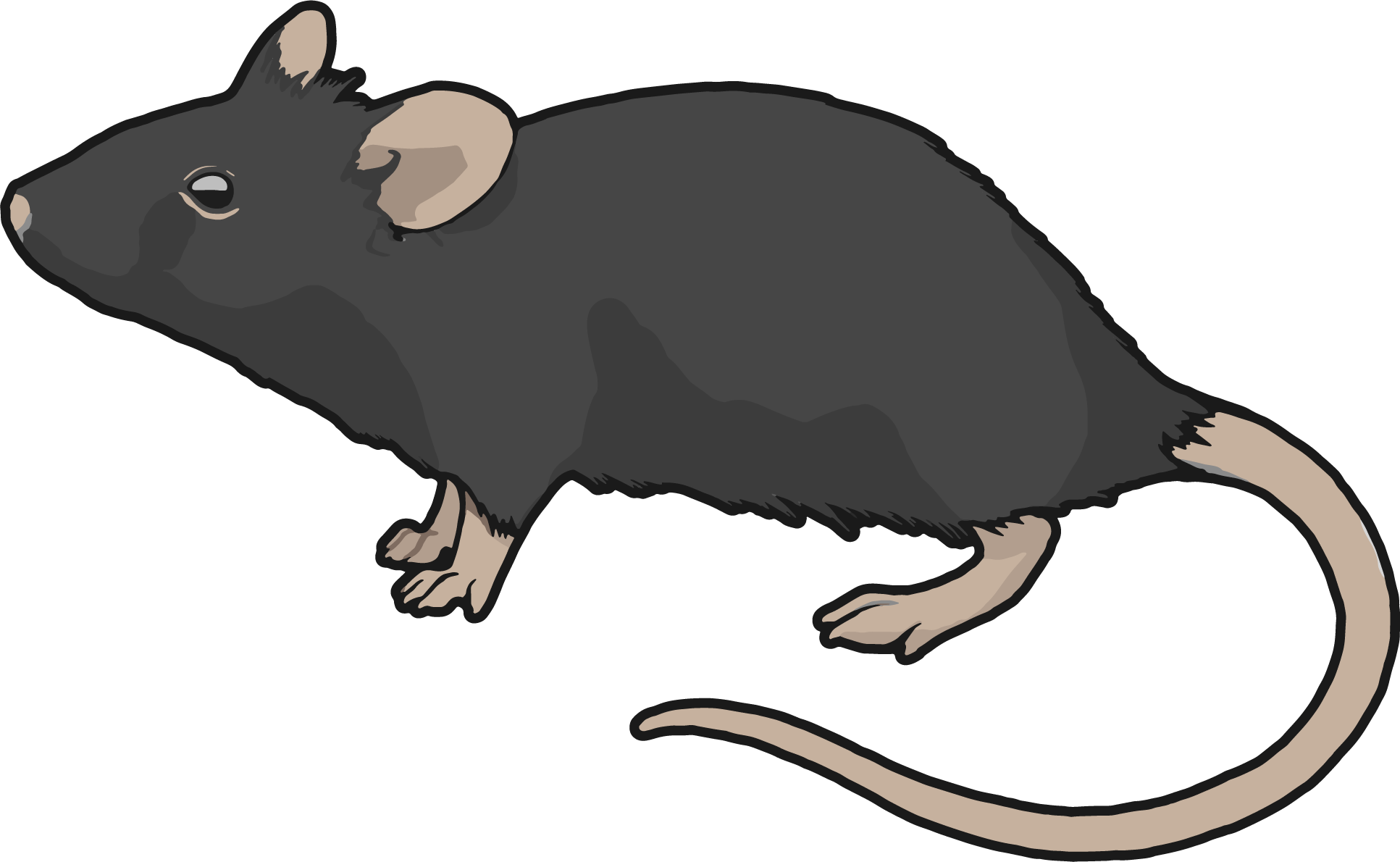  |
| OpenMoji | 4,495 | CC BY-SA 4.0 |      |
| Reactome icon library | 2,569 | CC BY 4.0 |      |
| SciDraw | 772 | CC BY 4.0 / CC0 |  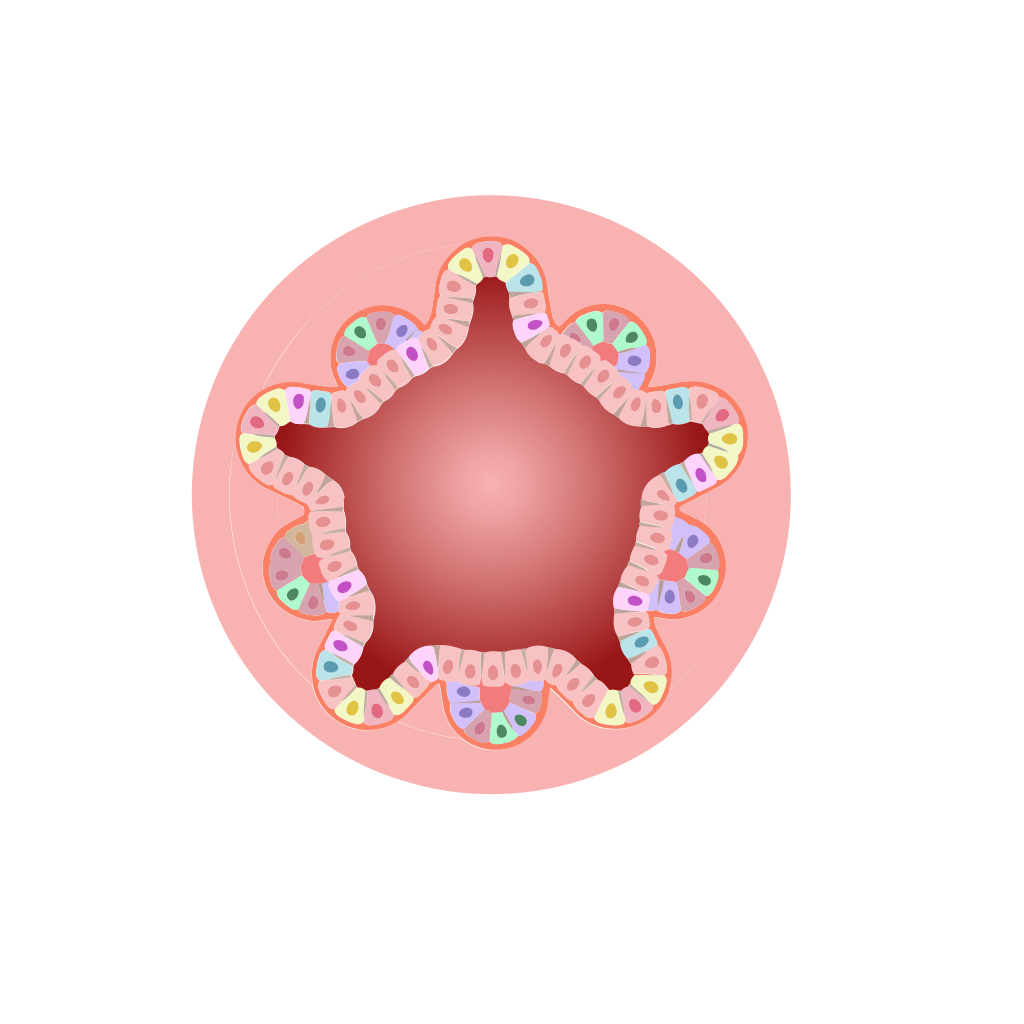 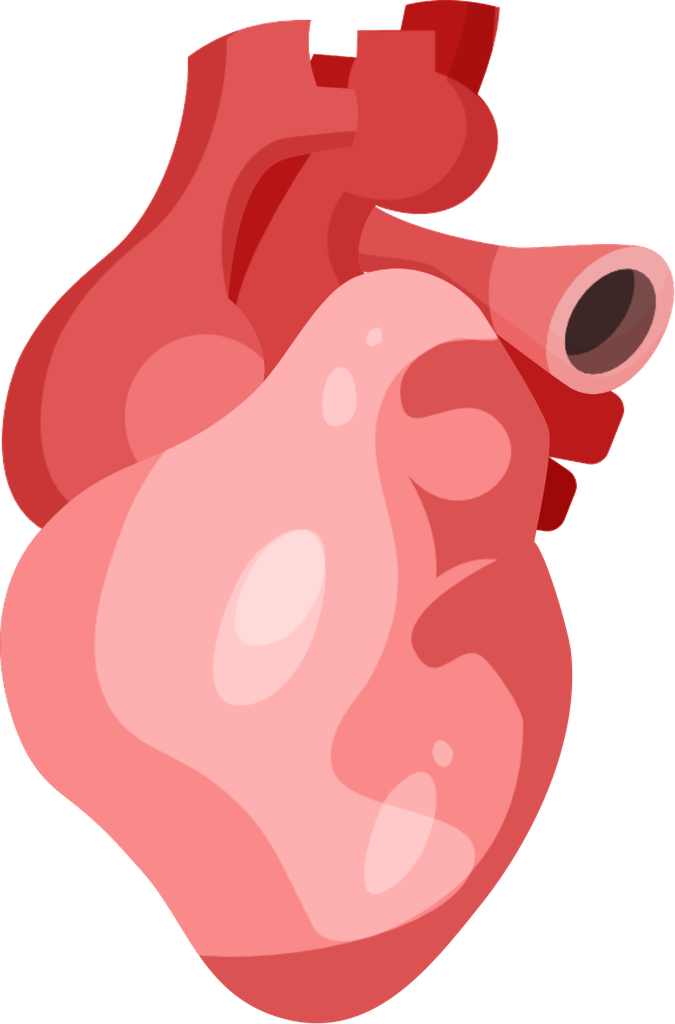 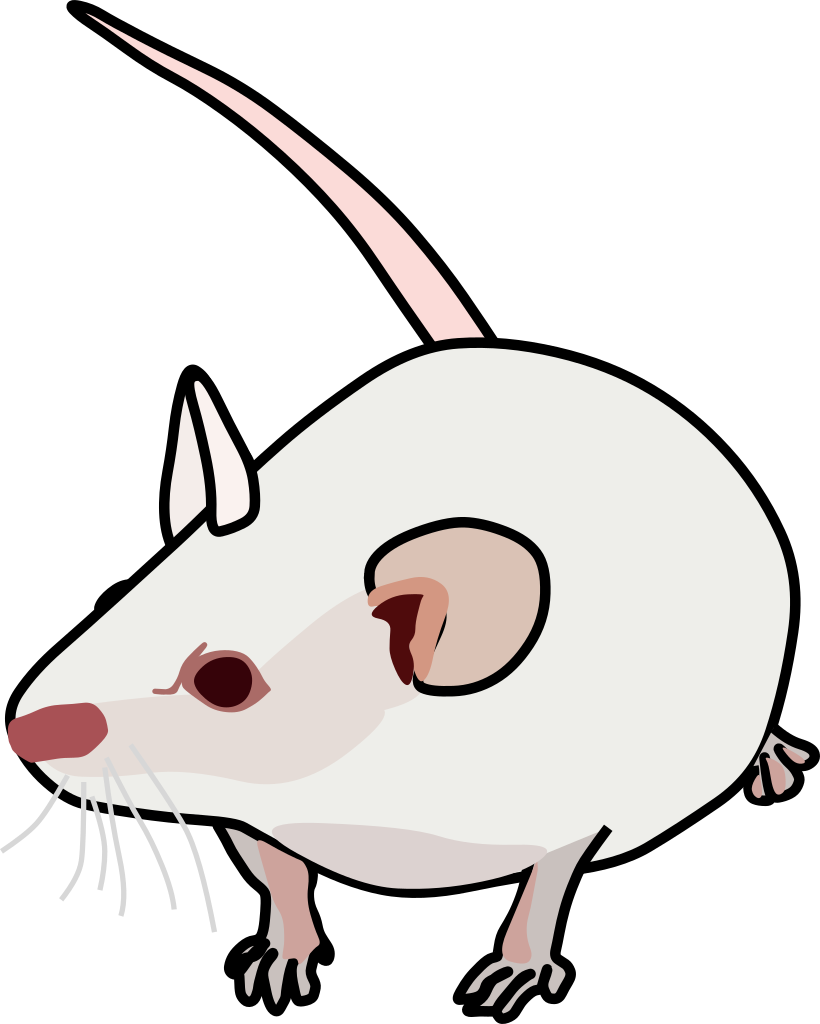 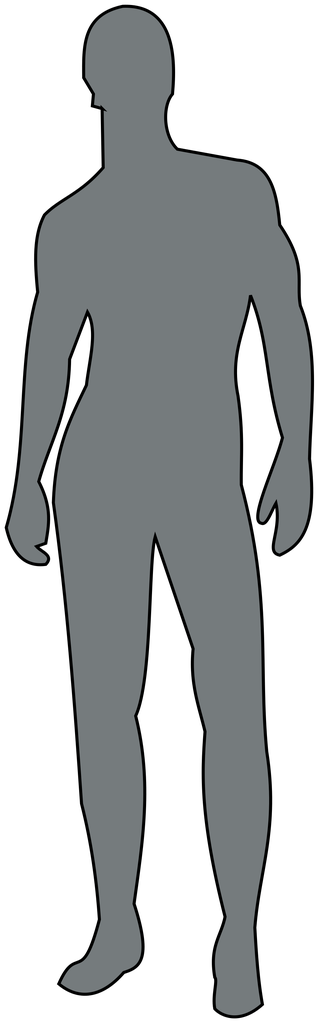 |
| Servier Medical Art | 3,020 | CC BY 4.0 |   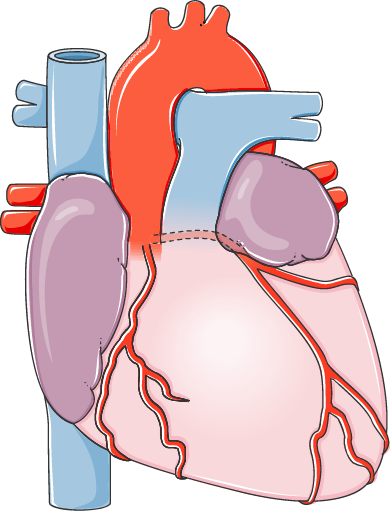 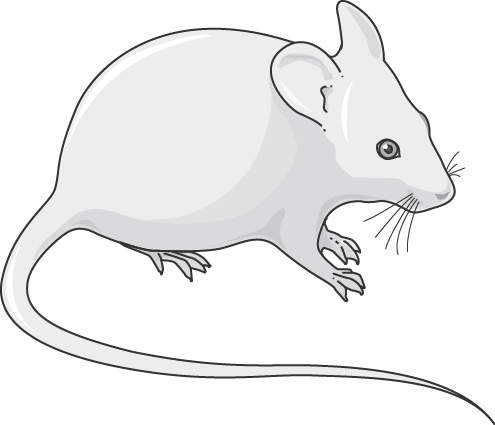 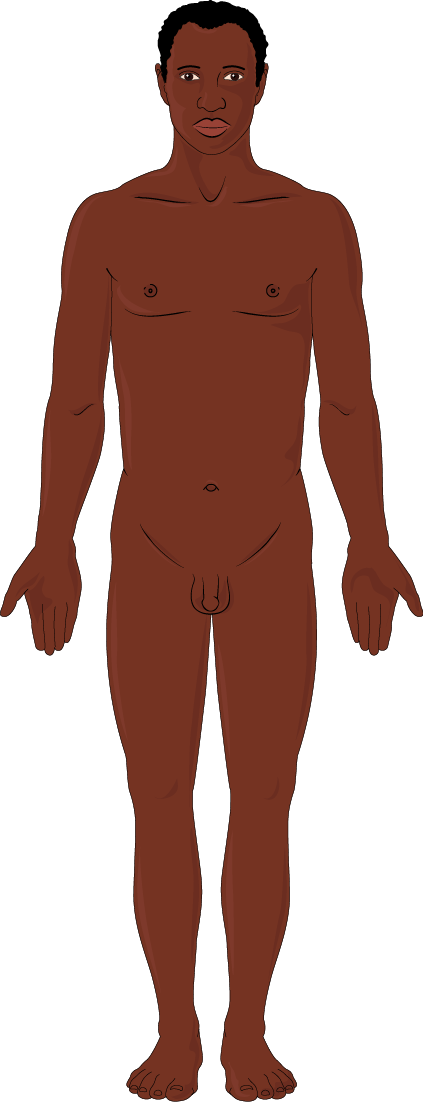 |
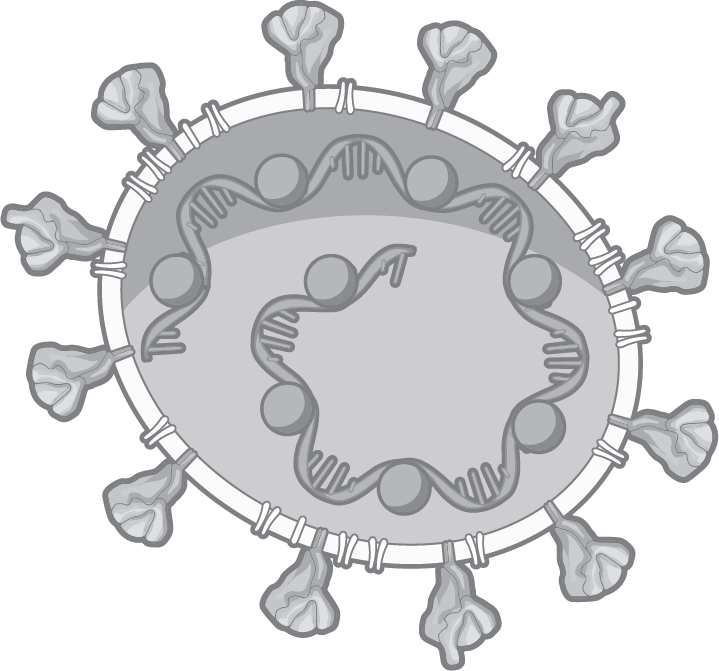
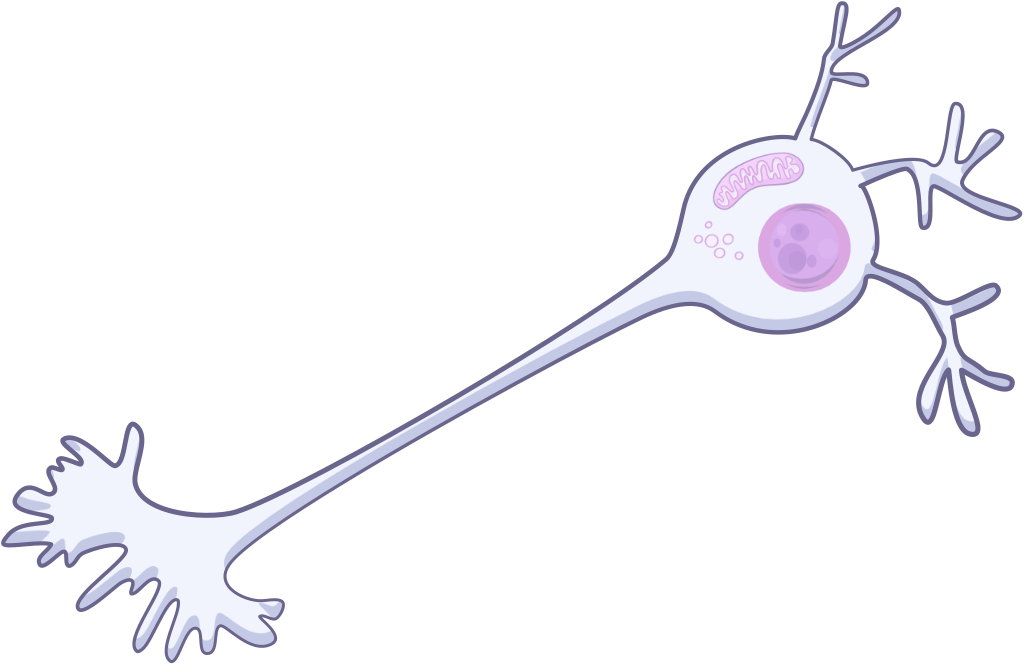
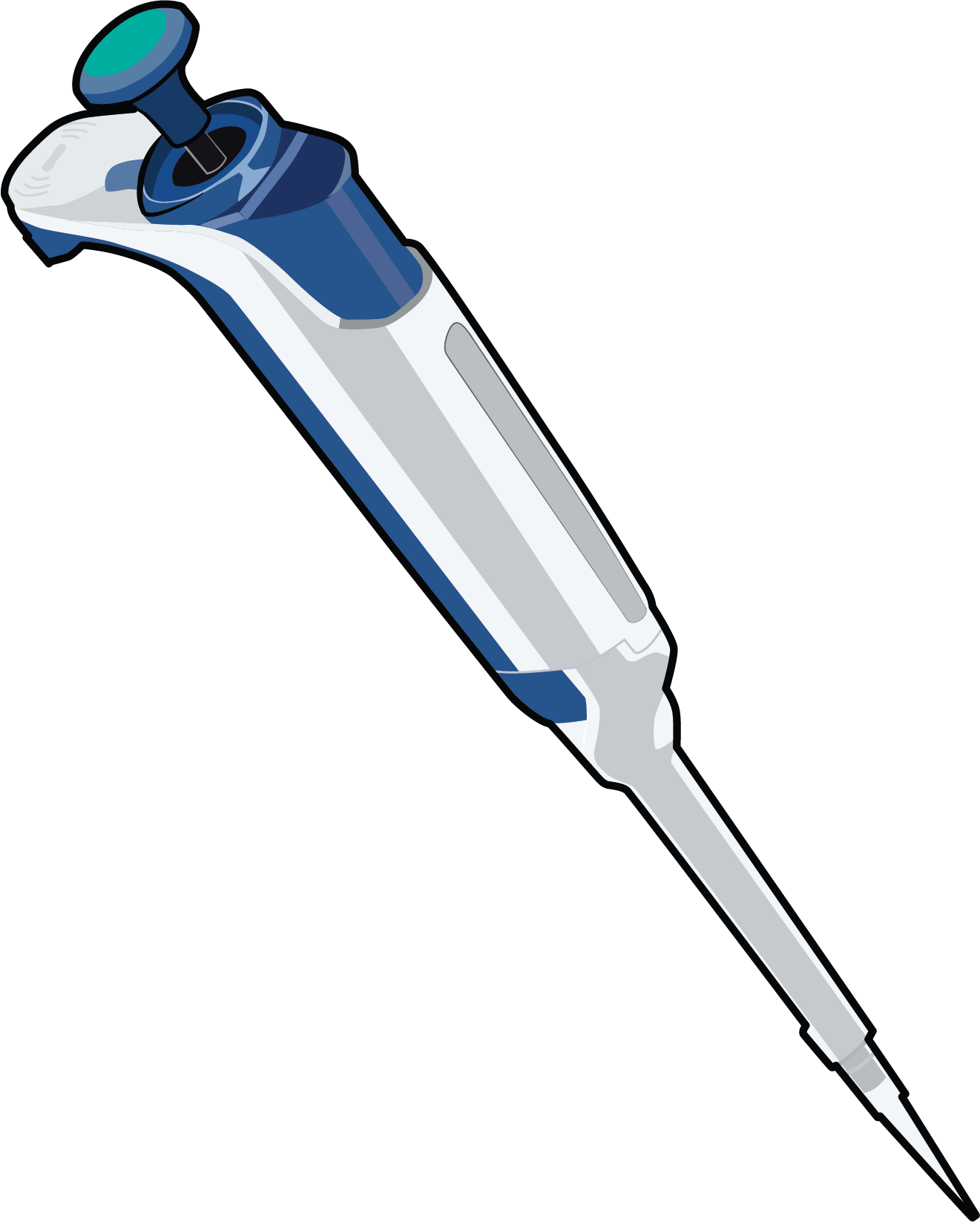


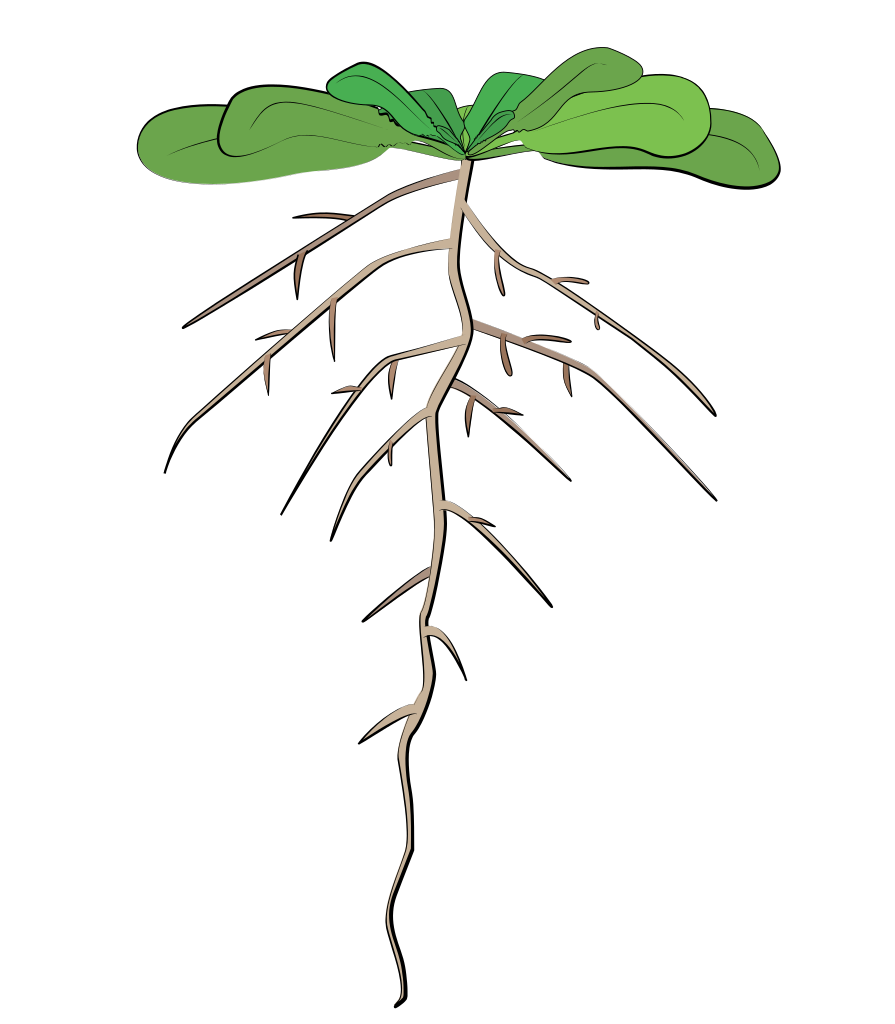
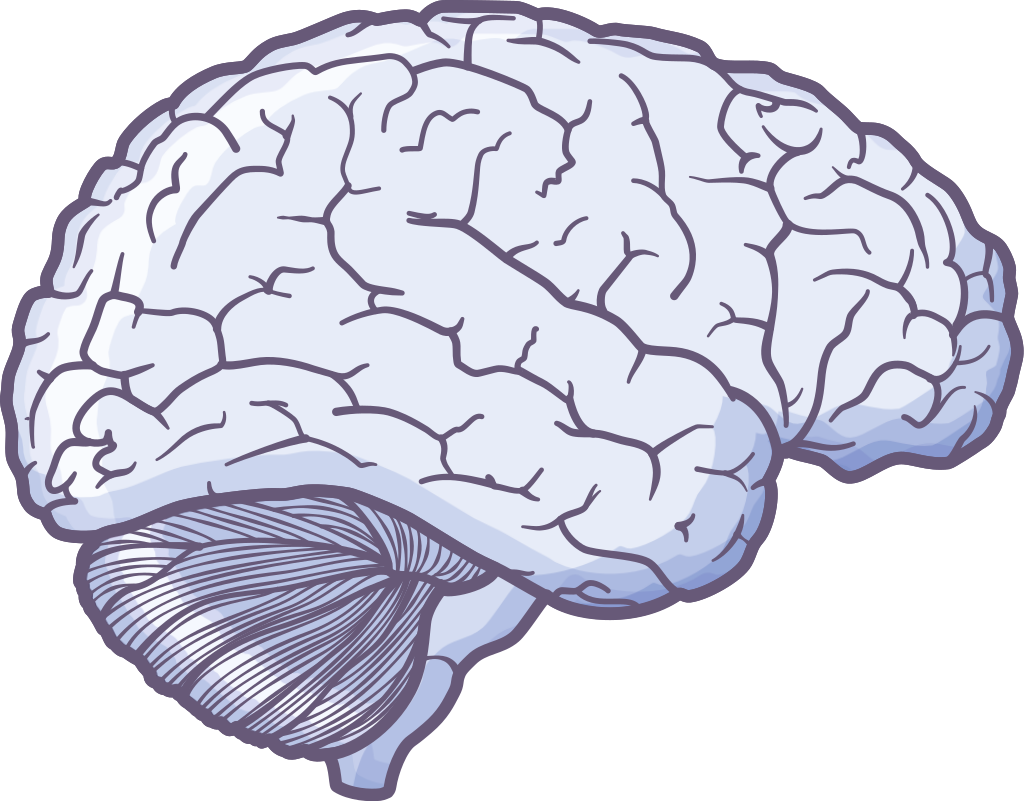
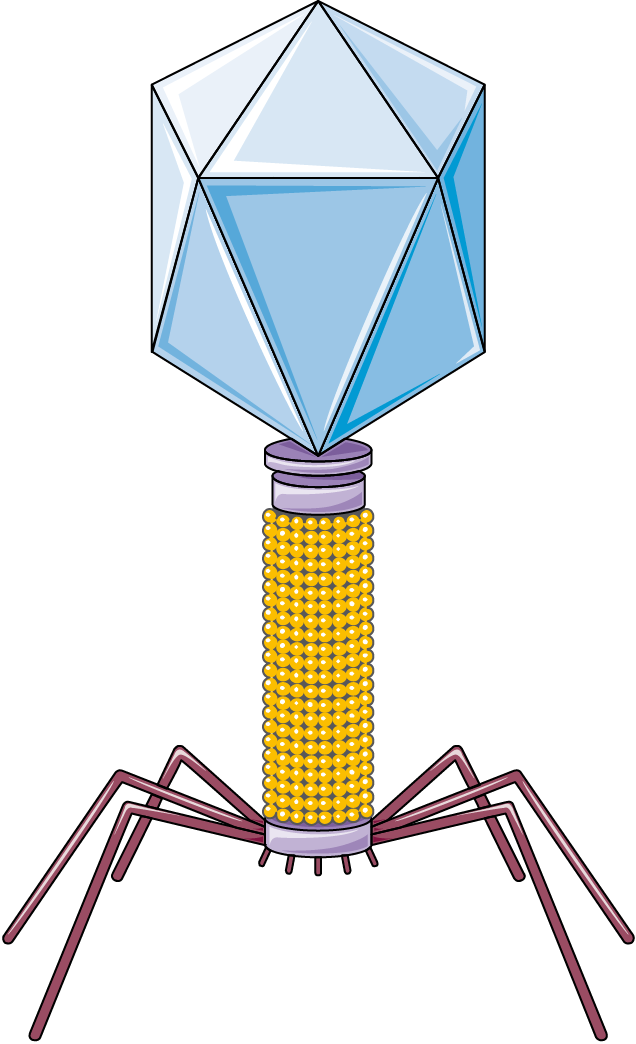
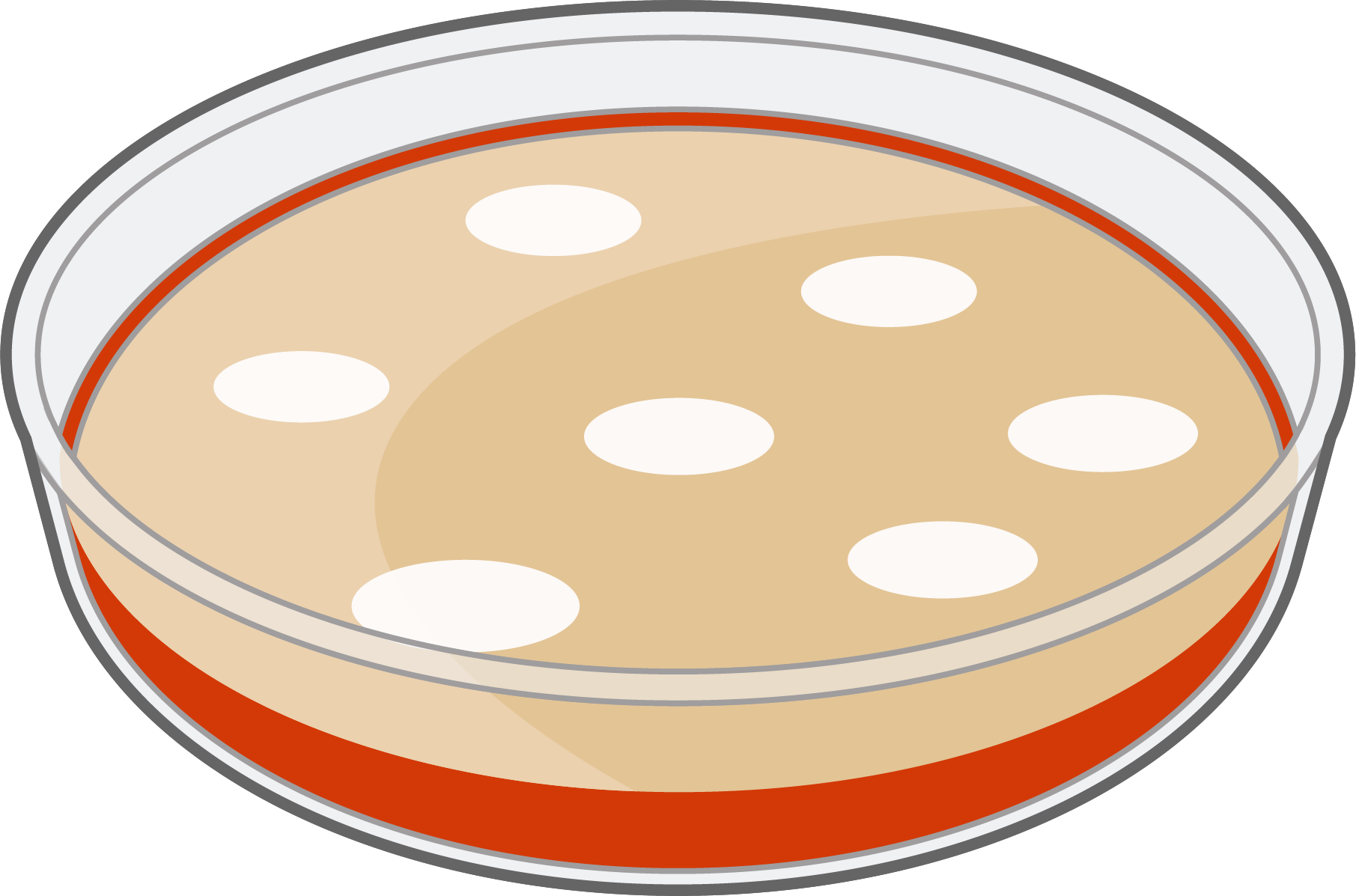
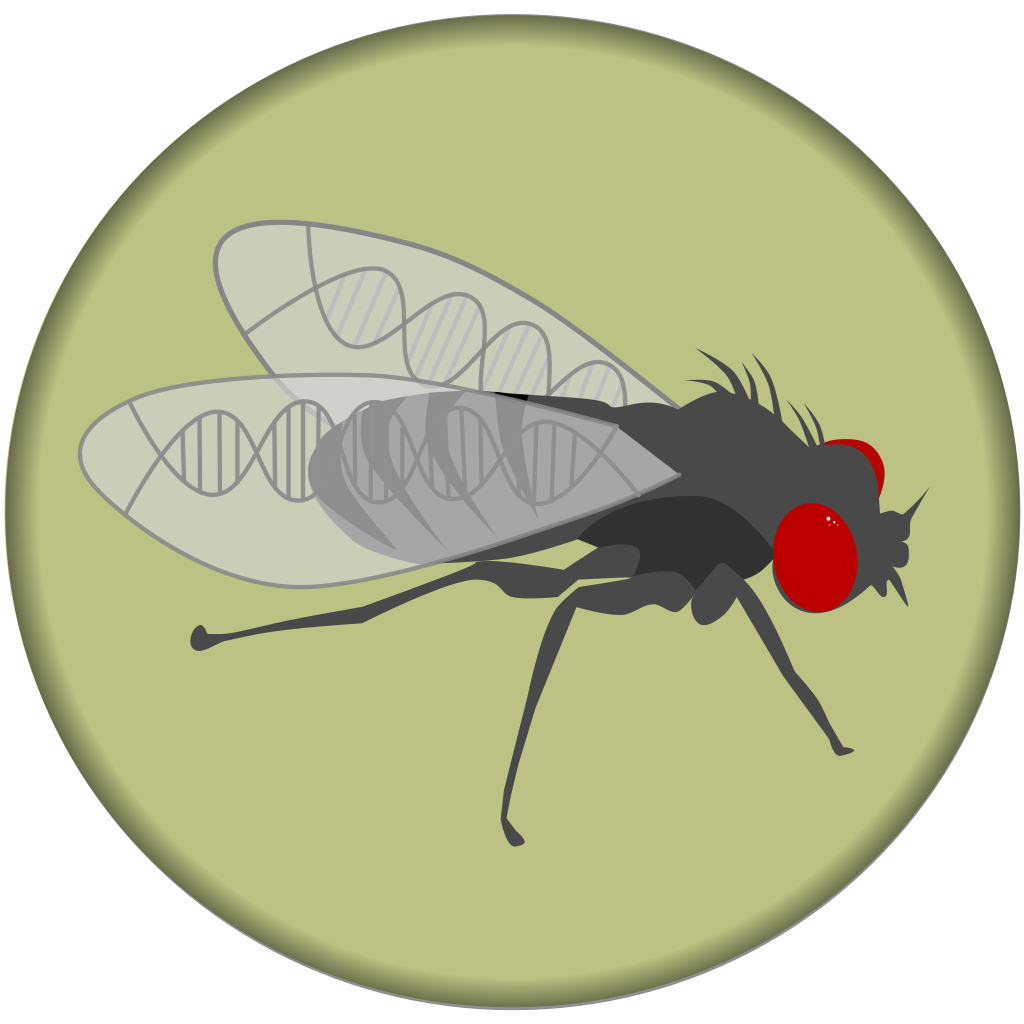
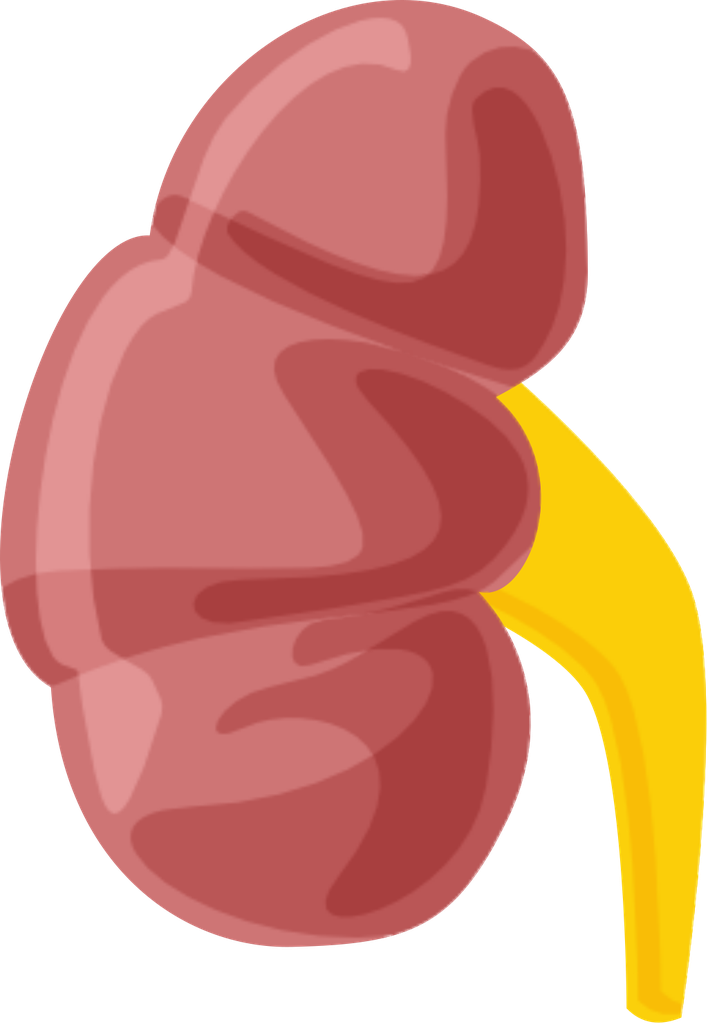
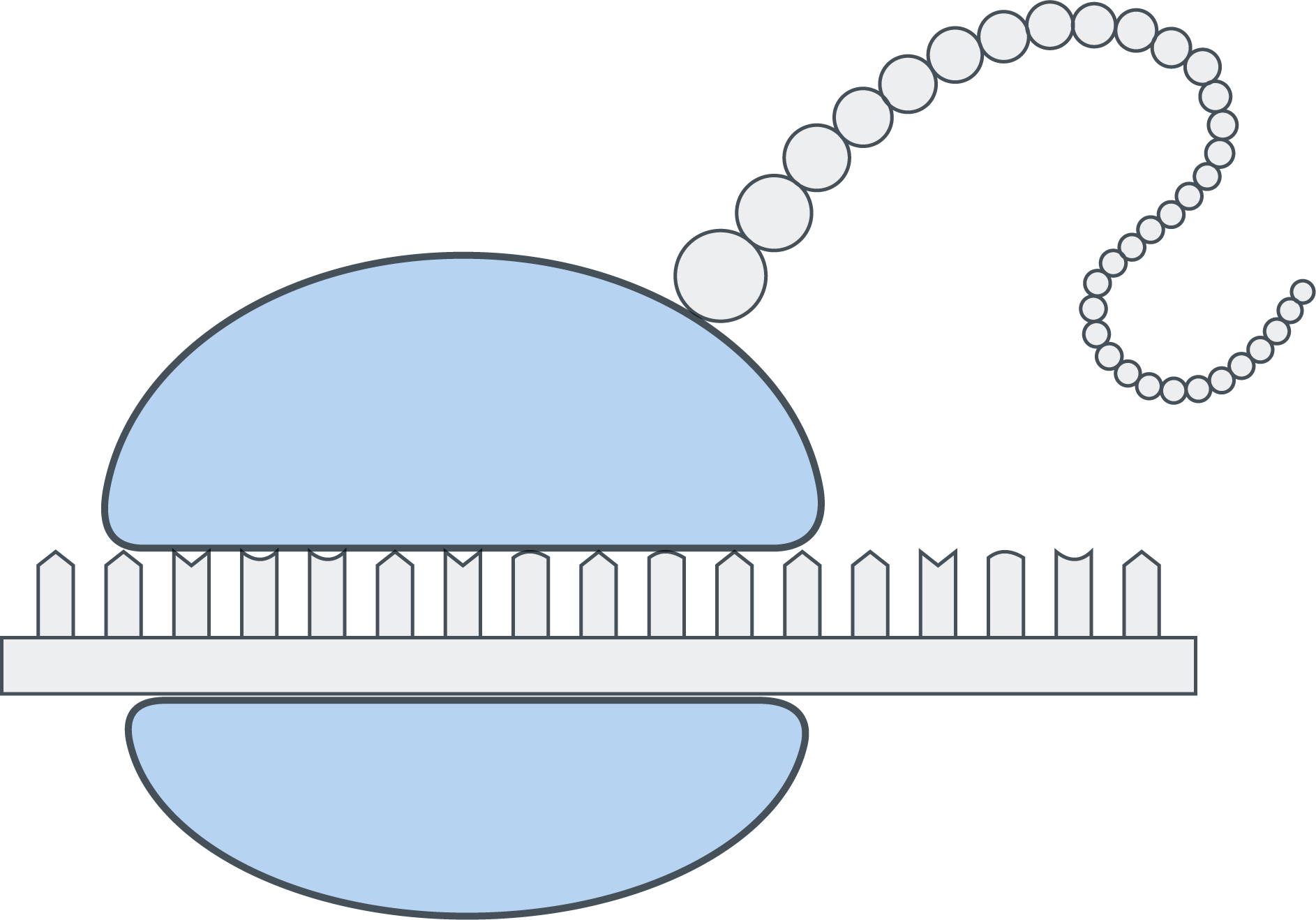
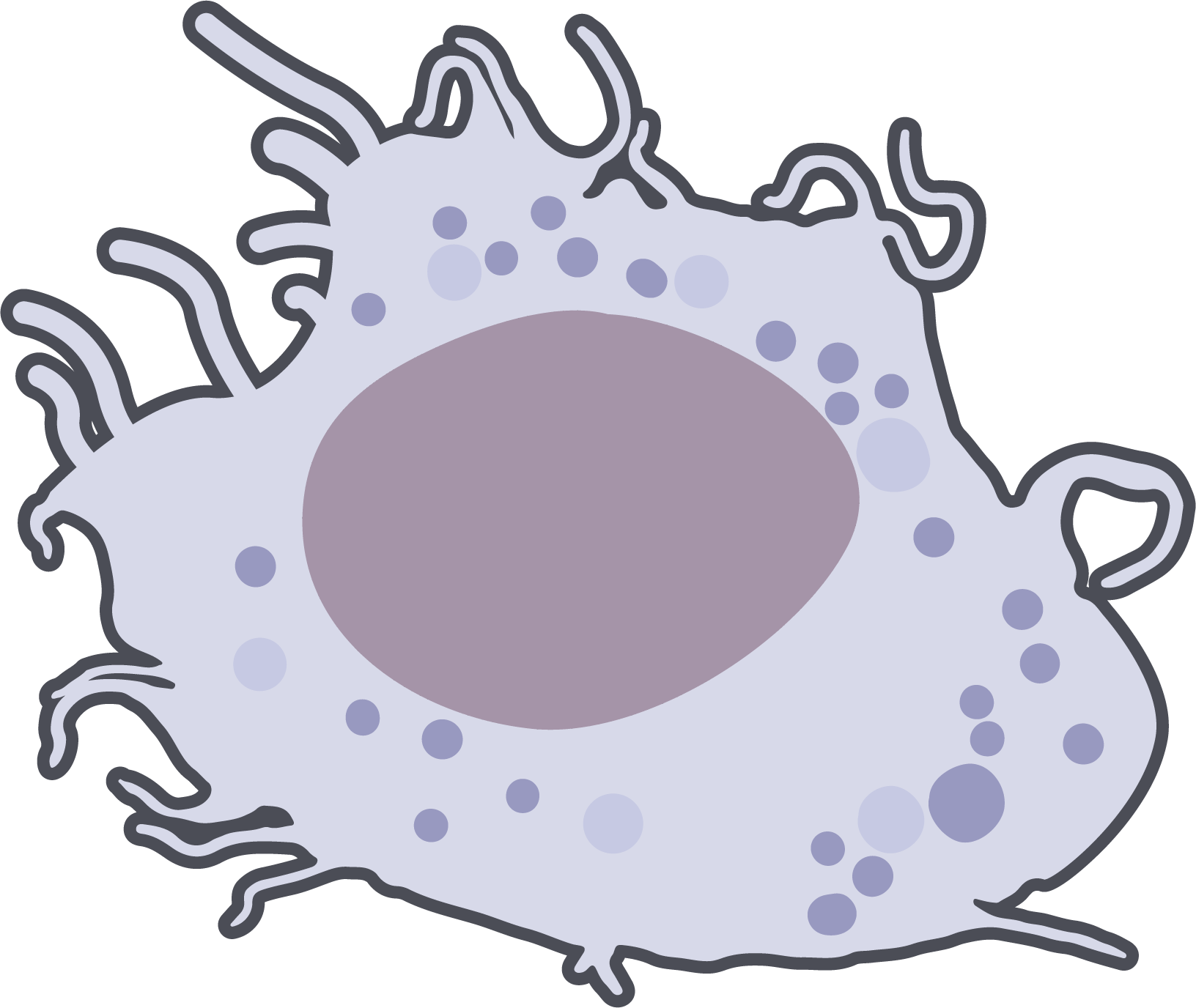
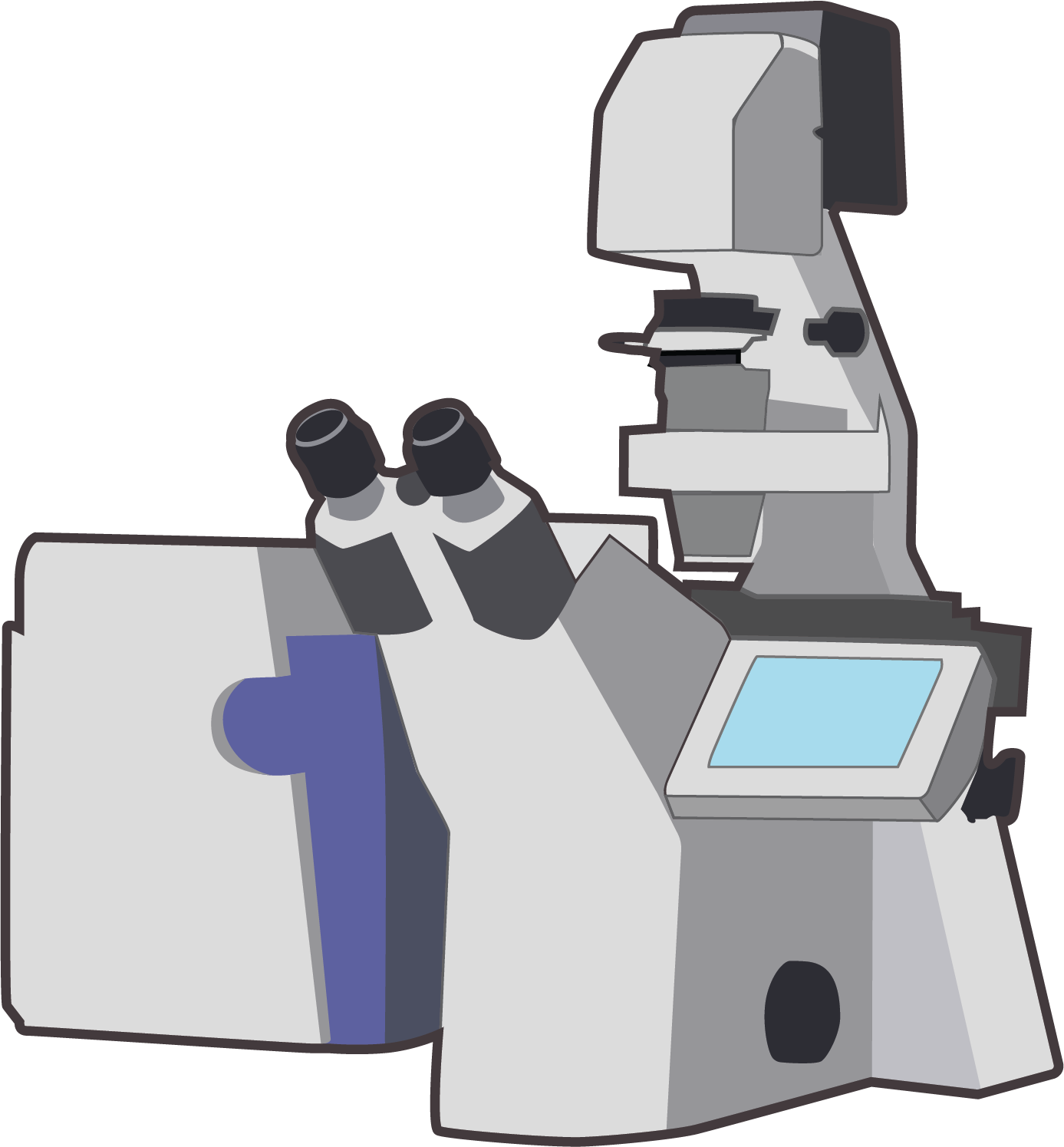
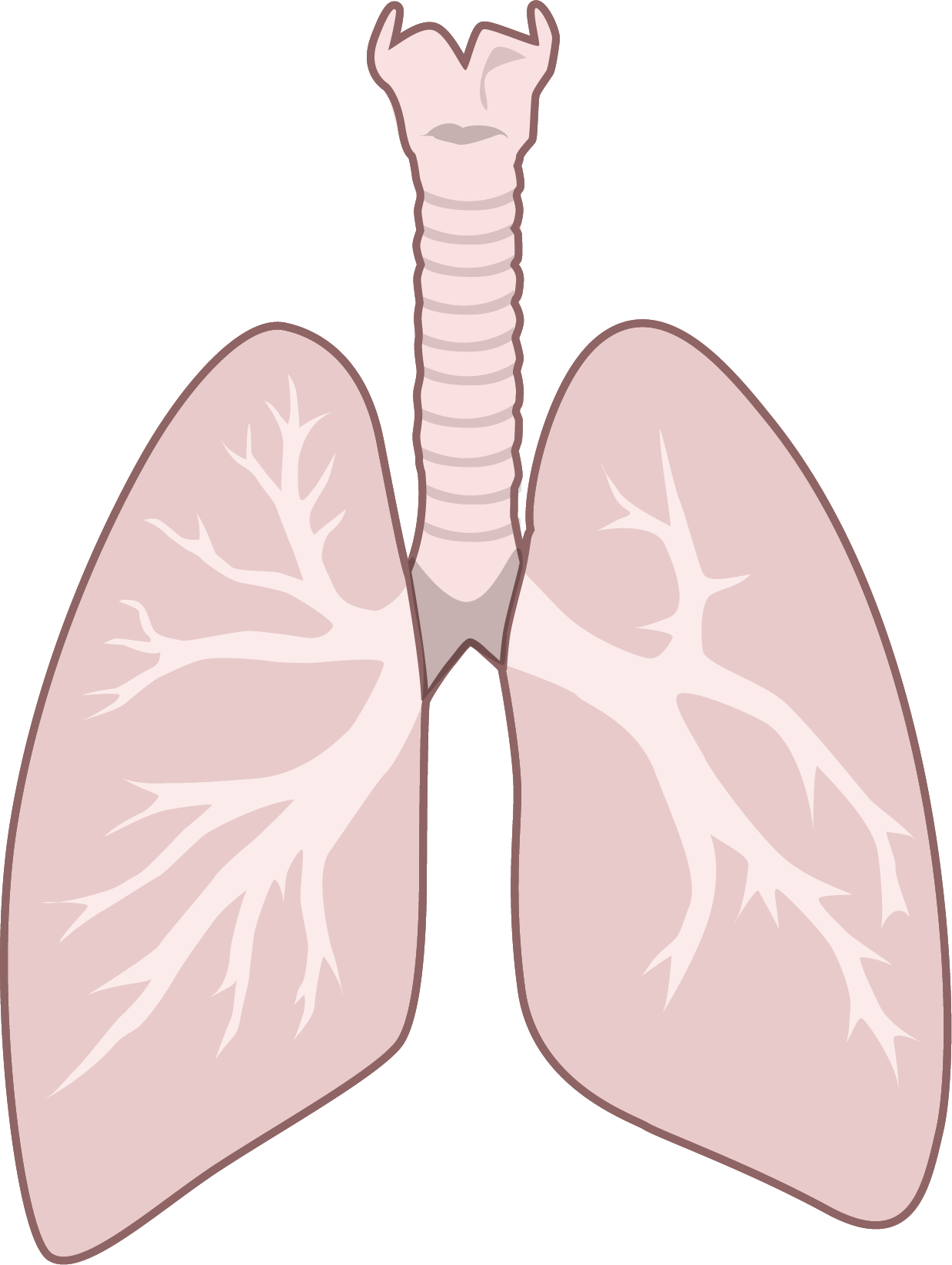
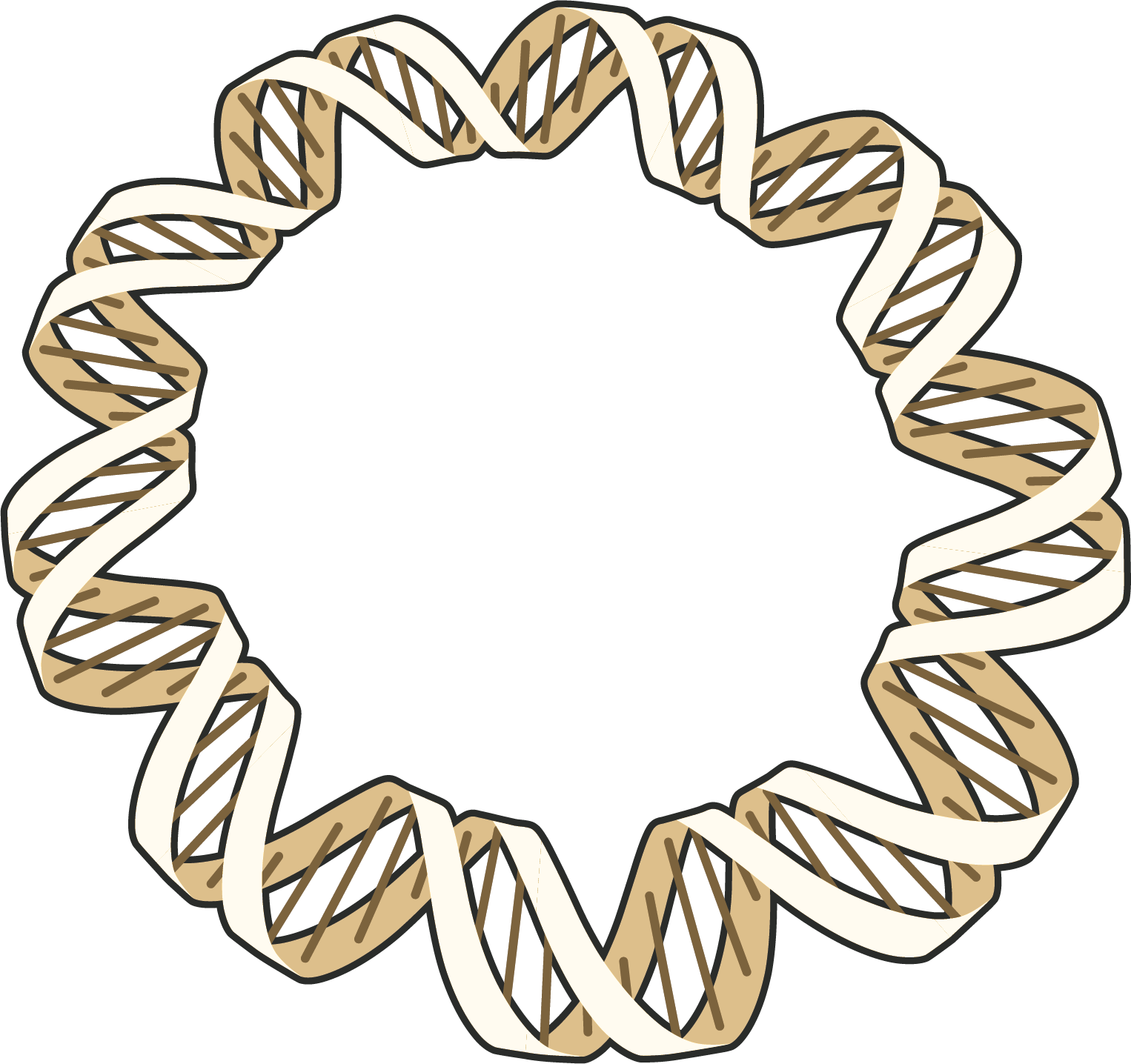
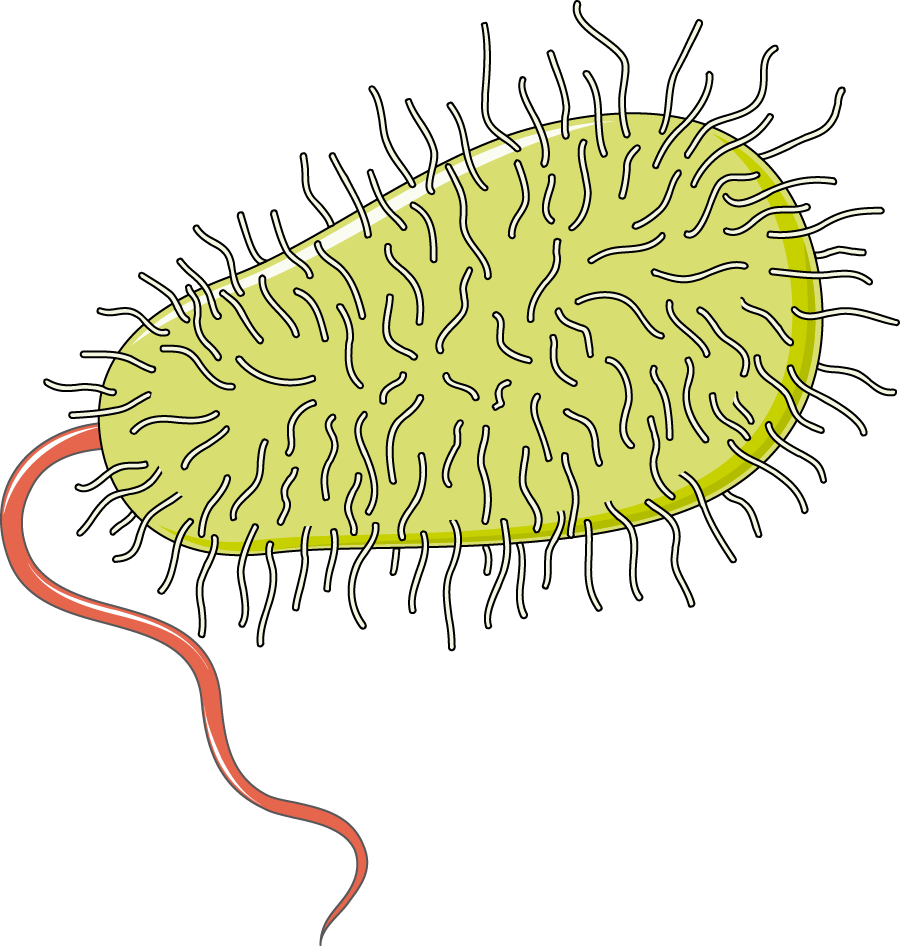
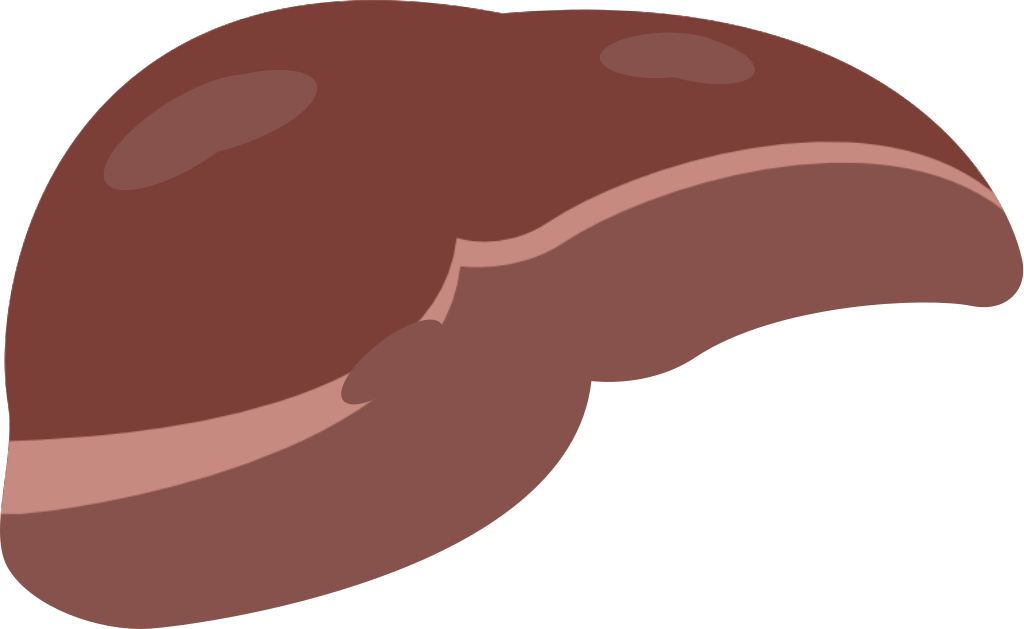
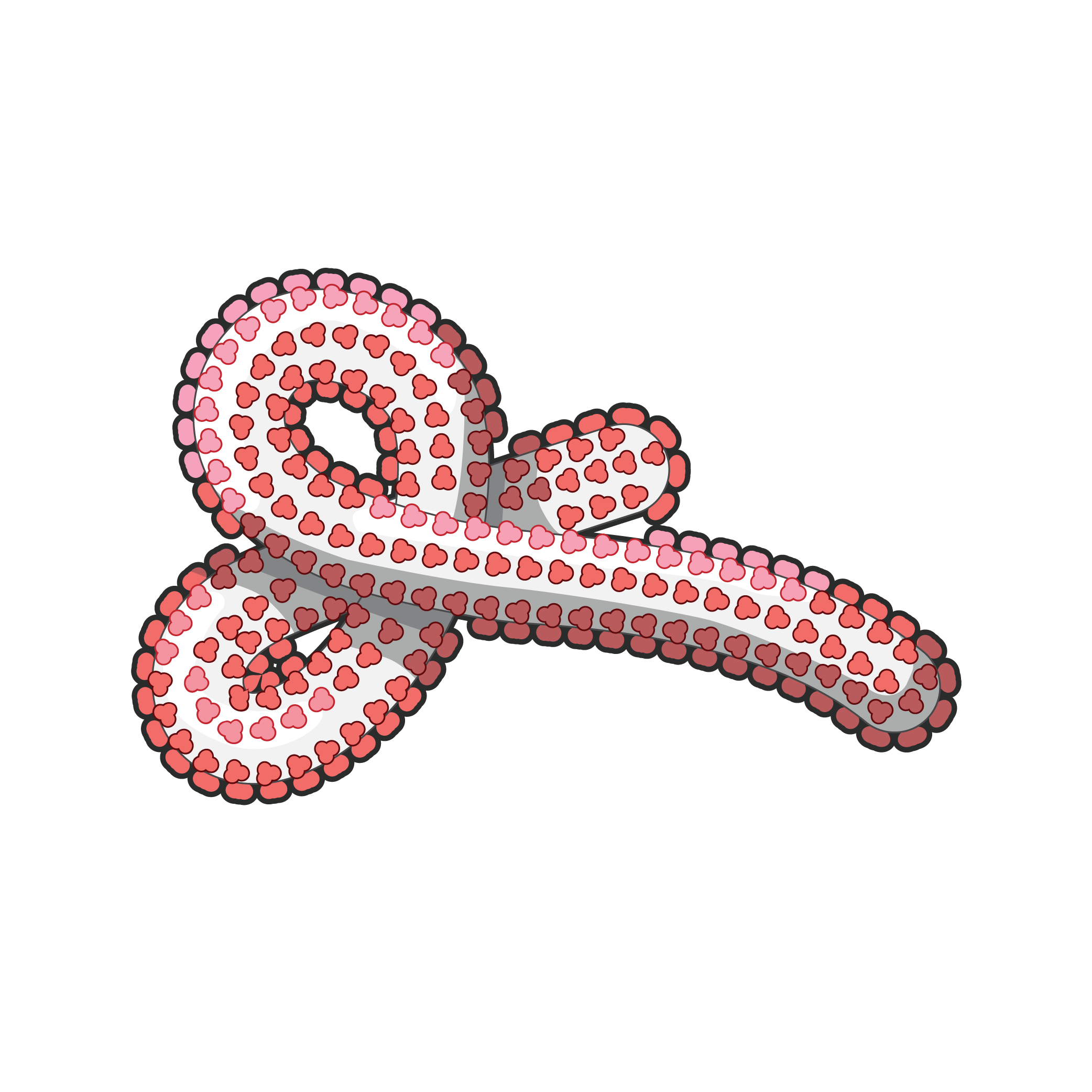
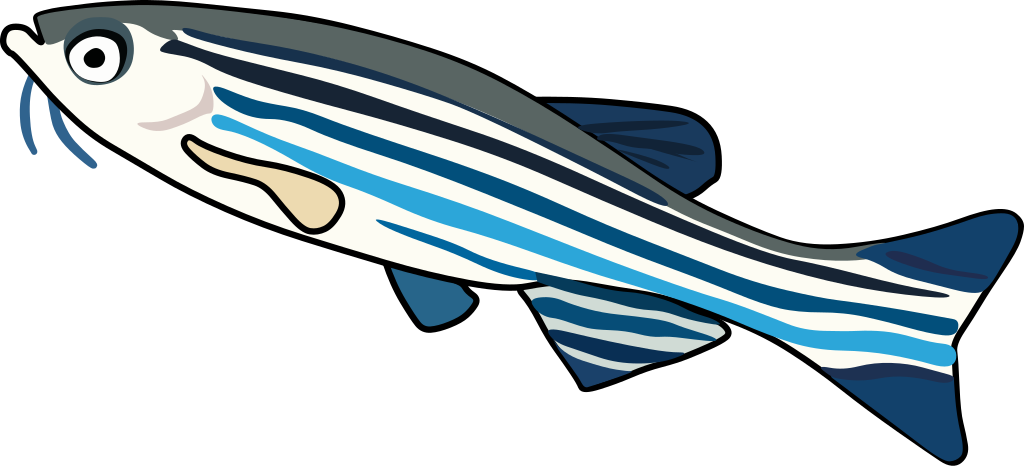
Illustrations on this page: SARS-CoV-2, Antibody, Macrophage, Plasmid, Red blood cell, Lungs, Ribosome, Pipette, Petri dish, Confocal microscope and Filovirus by Ryan Kissinger, NIAID NIH BioArt Source, public domain. Heart, Mitochondria, Bacterium and Bacteriophage from Servier Medical Art, CC BY 4.0. Drosophila and Yeast by Ewa-Oz, Bioicons, CC0. Arabidopsis by Frédéric Bouché, Bioicons, CC BY 4.0. Zebrafish and Mouse by Tom Baden, SciDraw, CC BY 4.0. Neuron, Brain, Kidney, Liver, Eye, DNA and Heart by John Chilton, SciDraw, CC BY 4.0. In the table, also: DNA, T cell, Human Heart and Lab Mouse and Human Male Outline Type VI by Ryan Kissinger, NIAID NIH BioArt Source, public domain. DNA, Cell, Heart, Mouse and African man from Servier Medical Art, CC BY 4.0. DNA, Lymphocyte, Mouse and Human male by DBCLS, Bioicons, CC BY 4.0. Heart by Servier, Bioicons, CC BY 3.0. DNA, Cell nuclei, Heart, Rat and Person by Resolve to Save Lives, Health Icons, CC0. DNA by Alan Seng, Kiwi by Marius Schnabel, Anatomical heart by Tonia Reinhardt, Mouse by Sofie Ascherl and Person by Johanna Wellnitz, OpenMoji, CC BY-SA 4.0. DNA 3D by David Eccles, Cell, Heart, Mosquito and Male body with organs by Cristoffer Sevilla, Reactome icon library, CC BY 4.0. Cell by Hu and Human silhouette by Zane Mitrevica, SciDraw, CC BY 4.0. By the source code links, CAST/EiJ founder mouse by Lior Pachter, BioCartoon community contribution, CC0.
FAQs
Is it really free?
Yes, it is! No accounts, subscriptions, publication licenses, microtransactions, watermarks — 100% free.
Can I use figures in my papers/presentations?
Yes. The figures you make are yours. The illustrations in them keep their own licenses, so credit the creator wherever a license asks for it (CC BY and CC BY-SA). The editor shows the license and credit line for every illustration.
Do I need an account?
No. Open the web app and start creating. An account is an option if you want your data to be saved long-term.
Do my projects save after I exit the app?
Yes. The desktop app always saves your projects on your computer. In the web app, signing in keeps an online copy of your projects and Your library in your account. Without signing in, the web app saves projects in your browser's storage, which the browser may clear (Safari does after 7 days without a visit; other browsers may when the device runs low on space or when you clear site data). Either way, you can save any project as a .biocartoon file, or download every project at once as a backup .zip, and open them again later. Changes are saved automatically within a couple of seconds, and the web app warns you if you close the tab before the last change is saved.
What user information do you store?
By default, we don't store any user data. You can use the web app or desktop app without an account, and your figures and Your library (uploaded icons, saved templates, and favorites, plus any words you add to the spelling dictionary) stay on your own device (starring an icon only adds to its public count under a random ID, not anything tied to you). If you would like long-term storage in the web app, you can sign in with Google or GitHub, and then only your name, email, and an online copy of your figures and Your library are stored in a secure database. No passwords are ever stored. Deleting a figure, removing something from Your library, or deleting your account removes it from the online database as well. The only other things we keep are what you choose to send us: contributions, suggestions, and removal requests, with the name and optional contact email you give (the email is seen only by our reviewers). See the privacy policy for details.
How do I contribute an illustration or template?
In the app, upload an icon or save a slide as a template and tick "Submit to the shared library". Submissions are reviewed before they appear for everyone. You keep the copyright and choose CC0 or CC BY 4.0.
Why is there both a desktop app and web app?
The web app allows one to create figures immediately without any software downloads. The desktop app enables database indexing for quick searches, as well as downloads for offline use.
Can I bulk download the database?
Yes. Open the app, click on the top-left menu, and click "Download".
License
Copyright (c) 2026 Joseph Rich. The icon database and CLI in biocartoon are open source under the BSD 2-Clause License. The editor in biocartoon-app is under the GNU AGPL v3.0. Third-party illustrations and icons keep their own licenses — see NOTICE.md for biocartoon and biocartoon-app.
Contributing
Contributions are welcome — see CONTRIBUTING.md for biocartoon (database and CLI) or biocartoon-app (editor and website). Contributors keep the copyright in their work, and artists are credited under the name they choose.